
Marine
Month: April 2026
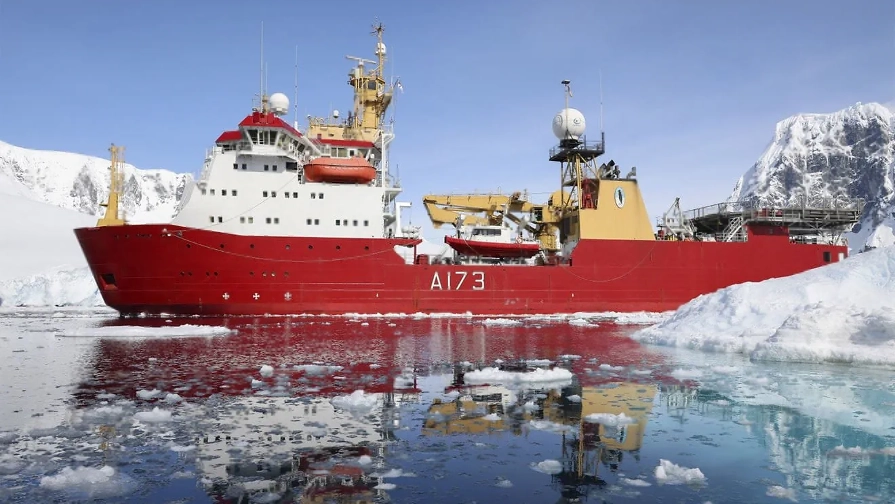
CRAIK has supported vessel owners and operators in the design, upgrade and modification of a wide range of ocean going vessels across multiple sectors. This includes both new build projects and the refurbishment of existing assets, often within constrained environments and operational timelines. Work has been delivered across a diverse range of vessel types and applications, including:
- Cable lay vessels
- Defence and naval platforms
- Offshore construction vessels
- Super yachts
- LNG carriers and support vessels
These projects require careful consideration of structural integration, weight management, stability and constructability, often within complex regulatory and classification frameworks. CRAIK brings a practical understanding of shipyard processes, fabrication constraints and installation sequencing, ensuring that engineering solutions are aligned with how vessels are built, modified and operated in practice


Data Centres
Month: April 2026
CRAIK has provided structural engineering services for the design and upgrade of data centres supporting a range of applications, including financial services, high performance computing and other mission critical environments. These facilities demand high levels of resilience, often incorporating redundancy standards such as N+2, alongside strict requirements for reliability, security and continuous operation. This places particular emphasis on structural performance, coordination with mechanical and electrical systems, and the ability to deliver within fast paced construction programmes. Experience includes work on facilities supporting financial institutions and supercomputing infrastructure, where loading, vibration and service integration are key design considerations. CRAIK also brings experience from emerging energy integrated data centre models, including the development of nuclear powered infrastructure to support artificial intelligence and advanced computing. This perspective enables a broader understanding of how power generation, modular construction and data infrastructure can be integrated to deliver scalable, future facing solutions. CRAIK brings a practical approach to data centre engineering, ensuring that structural solutions are aligned with operational requirements, constructability and long term performance in highly critical environments.

Petrochemical
Month: April 2026
CRAIK has experience supporting petrochemical and process industry projects across the UK and internationally, covering both greenfield developments and brownfield modifications from early concept and FEED through to detailed design and construction. These facilities involve complex structural systems supporting heavy process equipment, pipework and access infrastructure, often operating under high temperatures, dynamic loading and aggressive chemical environments. In many cases, projects are located in seismically active regions, requiring careful consideration of structural resilience, load paths and equipment interaction to ensure safe and reliable performance under extreme events. Modern petrochemical developments increasingly rely on modular construction, where large process modules are fabricated off site and transported for installation. This introduces additional challenges around lifting, transportation, temporary works and integration with permanent structures, all of which require careful engineering and coordination. Projects are frequently delivered within live operational sites, where shutdown windows are limited and coordination between disciplines is critical. This places a strong emphasis on constructability, sequencing and the ability to safely integrate new works with existing assets. CRAIK brings a practical, delivery focused approach, ensuring that engineering solutions are robust, compliant and aligned with both operational constraints and construction realities at every stage of the project lifecycle.

Nuclear
Month: April 2026
CRAIK has experience supporting nuclear projects where safety, quality and regulatory compliance are fundamental to every stage of design and delivery. These environments demand a disciplined and structured engineering approach, with clear traceability, robust justification of design decisions and a strong focus on long term performance. Work in the nuclear sector often involves first of a kind challenges, complex interfaces and stringent requirements for risk management and assurance. This requires close coordination between engineering disciplines, contractors and regulators, as well as a clear understanding of how design intent translates into safe and reliable construction. CRAIK brings experience from early-stage concept development through to detailed design and delivery planning, including consideration of modular construction, constructability and lifecycle performance. The focus is always on developing practical, defensible solutions that meet regulatory expectations while remaining buildable and efficient to deliver.

Airports
Month: April 2026
CRAIK has experience supporting the design, construction and modification of airport infrastructure, where engineering solutions must be developed within highly operational and safety critical environments. Airport projects require careful coordination between multiple stakeholders, including operators, contractors and regulatory bodies, often within live environments where disruption must be minimised. This places a strong emphasis on planning, sequencing and constructability, particularly where works interface with existing assets and ongoing operations. Experience includes structural design, assessment and temporary works for airside and landside infrastructure, where safety, access and programme constraints are key drivers. These projects often involve working within restricted working windows, complex logistics and strict compliance requirements. CRAIK brings a practical and coordinated approach, ensuring that engineering solutions are aligned with operational constraints and can be delivered safely and efficiently without impacting airport performance.

Bridges
Month: April 2026
CRAIK has extensive experience in the detailed design, construction, assessment and refurbishment of bridge structures across the UK and internationally. This includes working on complex schemes where buildability, durability and long term performance are critical to successful delivery. Experience covers a wide range of bridge forms and structural systems, including:
- Post tensioned precast segmental bridges
- Truss bridges
- Suspension bridges
- Cable stayed bridges
- Tied arch bridges
- Arch bridges
- Plate girder composite bridges
- Box girder viaducts
These projects often involve challenging interfaces between design, construction and operation, requiring careful consideration of staging, temporary works, durability and inspection over the life of the asset. CRAIK brings a practical understanding of how bridges are constructed, maintained and refurbished, ensuring that engineering solutions are not only technically sound, but deliverable in real world conditions.

Project Management
Month: April 2026
CRAIK provides project management grounded in practical delivery and aligned with NEC principles. The focus is on clear communication, strong relationships and maintaining alignment between scope, programme and cost throughout the project lifecycle. Project management is not about tracking progress, it is about shaping outcomes. Good project management is proactive. It requires anticipating issues before they arise, understanding how decisions affect delivery, and ensuring that teams are clear on priorities and next steps. CRAIK works closely with clients, contractors and the design team to maintain momentum, manage interfaces and keep projects moving forward. The role is not to control from a distance, but to lead from within the project. This means removing obstacles, supporting the team and maintaining a clear view of risk, progress and performance at all times. CRAIK brings a structured but flexible approach, combining planning and organisation with the ability to adapt as projects evolve. The aim is always to focus on what adds value, ensure accountability and deliver outcomes that meet both project objectives and wider strategic goals.

Forensic Engineering
Month: April 2026
Forensic engineering within civil and structural engineering focuses on understanding why failures occur. This can involve identifying root causes to inform remedial strategies, prevent recurrence, or establish causation in support of contractual or legal processes. The work demands careful analysis, sound engineering judgement and a clear understanding of how design, construction and operational factors interact. Failures are often the result of multiple contributing factors, requiring a structured and objective approach to determine what happened and why. CRAIK brings experience supporting clients through claims and litigation, providing technical input that is clear, evidence based and aligned with the requirements of formal dispute processes. This includes reviewing design and construction records, assessing compliance with standards and contracts, and presenting findings in a way that is robust, defensible and easy to understand. By combining detailed investigation with practical project experience, CRAIK delivers forensic engineering that helps clients understand issues, resolve disputes and make informed decisions with confidence.

Optioneering
Month: April 2026
Good projects are shaped by good decisions made early. Optioneering is the process of exploring and comparing viable solutions to identify the most effective path forward. Done properly, it provides clarity on cost, risk, programme and constructability before decisions become fixed. CRAIK approaches optioneering with a focus on practicality. Options are not just assessed in theory, but tested against how they will be built, how they will perform and how they align with project constraints and objectives. This includes challenging assumptions, identifying risks that may not be immediately visible and ensuring that trade offs are properly understood. The aim is to avoid false economies and select solutions that remain robust through delivery, not just at concept stage. CRAIK brings experience from complex and high consequence projects, ensuring that decisions made early are informed, balanced and capable of being delivered in practice.
