Concrete structures
Month: April 2026
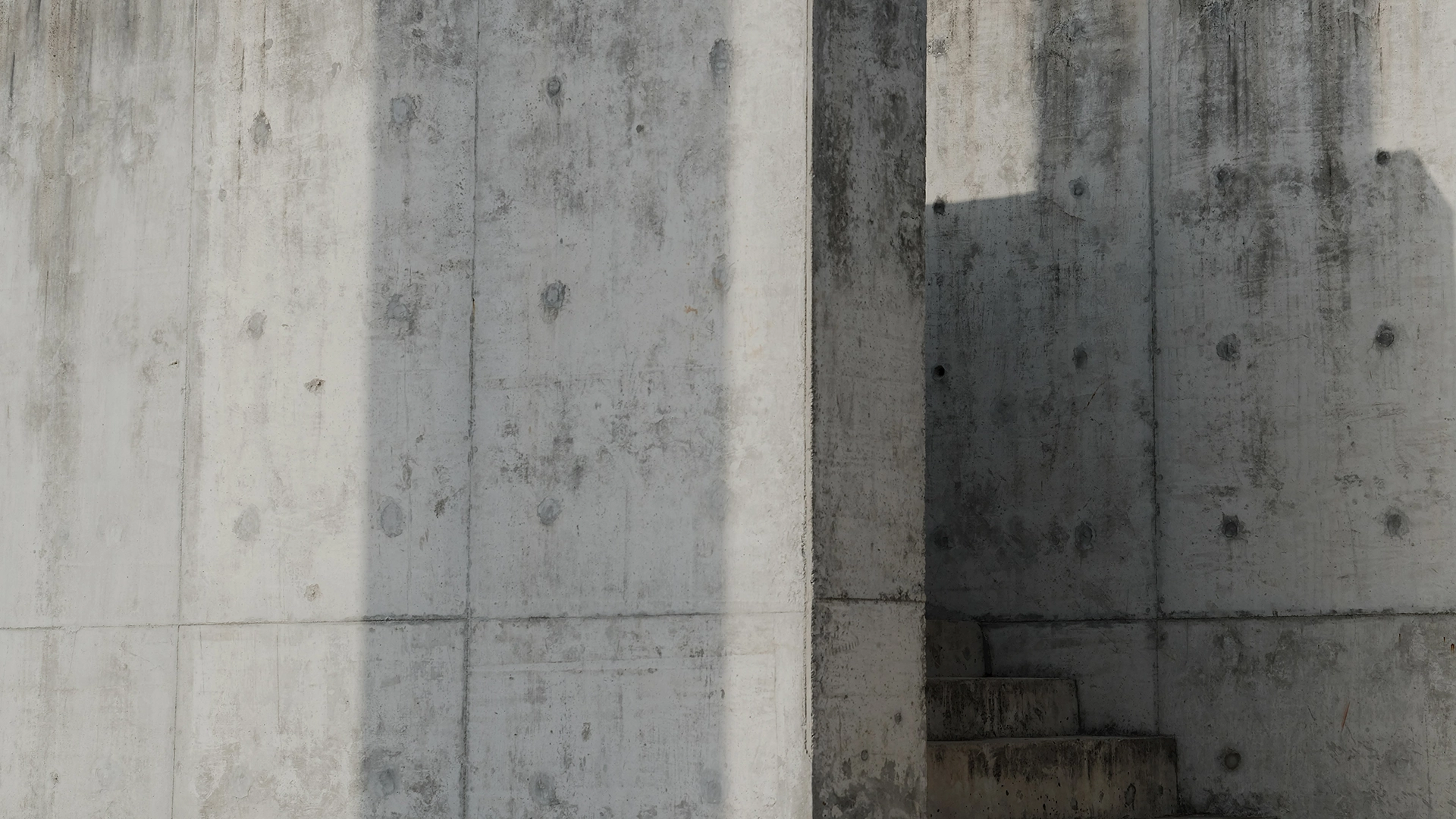
Concrete has been used in construction for centuries, with modern reinforced concrete emerging in the late 19th century as a fundamental material for civil and structural engineering. Its strength in compression, durability and ability to be formed into almost any shape make it well suited to a wide range of applications, from foundations and retaining structures to bridges, tunnels and complex underground works. Its versatility allows engineers to respond to challenging ground conditions, aggressive environments and long design life requirements, particularly where mass, stiffness and durability are critical. Concrete also lends itself to in situ construction, enabling structures to be formed around constraints that would be difficult to address using prefabricated materials alone. Advances in mix design, reinforcement technology and construction methods continue to improve performance, sustainability and quality, while supporting efficient and repeatable delivery on large scale projects. At CRAIK, the focus is on designing concrete structures that can be built efficiently and perform over their intended life. By understanding sequencing, access, temporary conditions and long term durability, we help clients address constructability challenges early and deliver robust, practical solutions in demanding environments.