A9/A85 upgrade
Mark Glancy
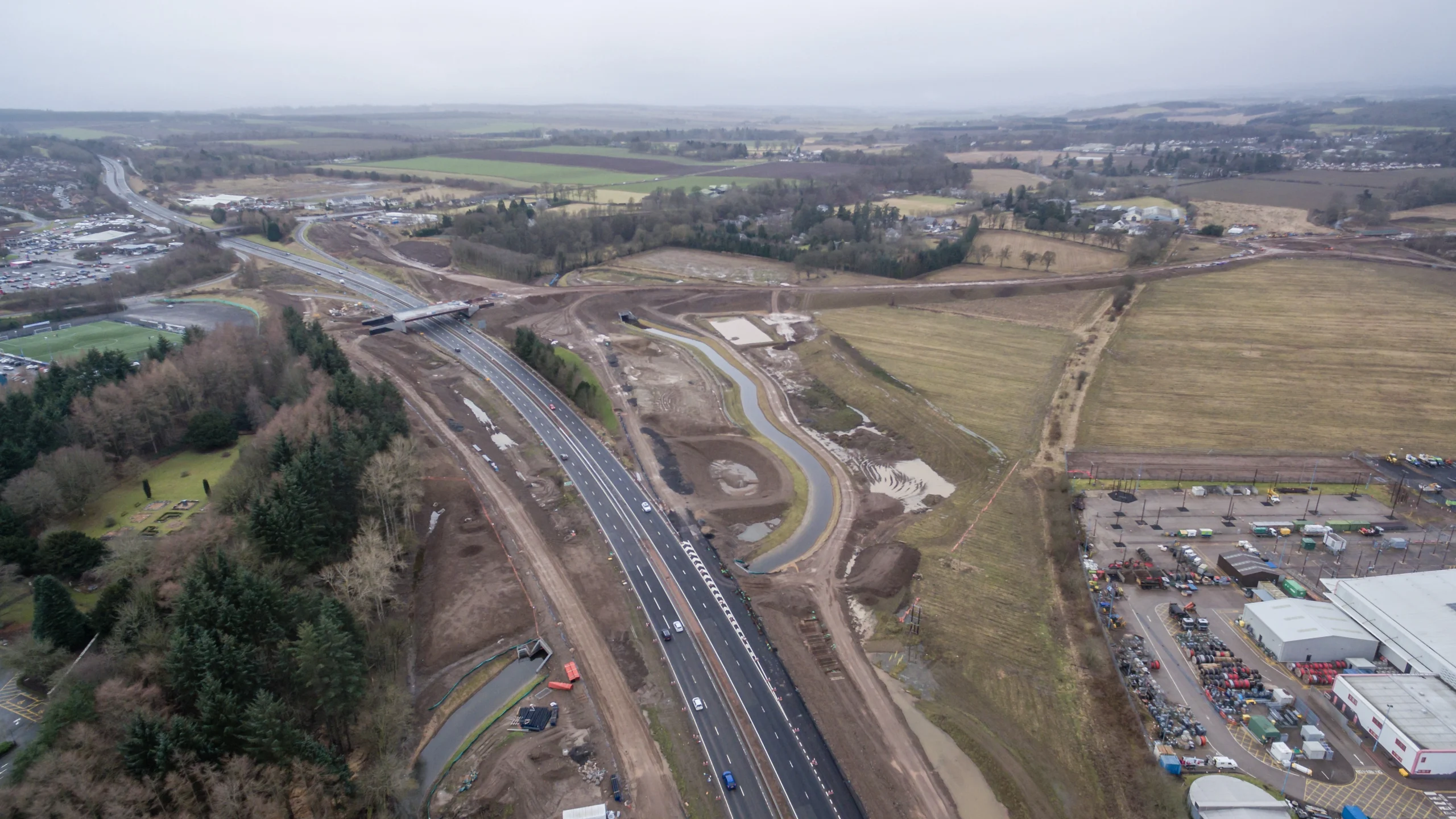
CRAIK provided project management and senior engineering supervision on the £35 million contract for the new junction between the A9 and A85 and the link road to Bertha Park. The scheme involved a new grade-separated interchange, a bridge over the River Almond, 2 bridges over the A9, 500,000 m³ of embankments, multi-modal pedestrian/cycle infrastructure, and several watercourse diversions. The project was procured under an NEC3 Engineering and Construction Contract and won the 2019 NEC “Contract of the Year” Award for its collaborative delivery and successful early completion. CRAIK provided technical oversight and coordination between client, contractor and designers, managed risk and constructability reviews, and helped maintain alignment between contract scope, design intent and site execution.

Troll A
Mark Glancy
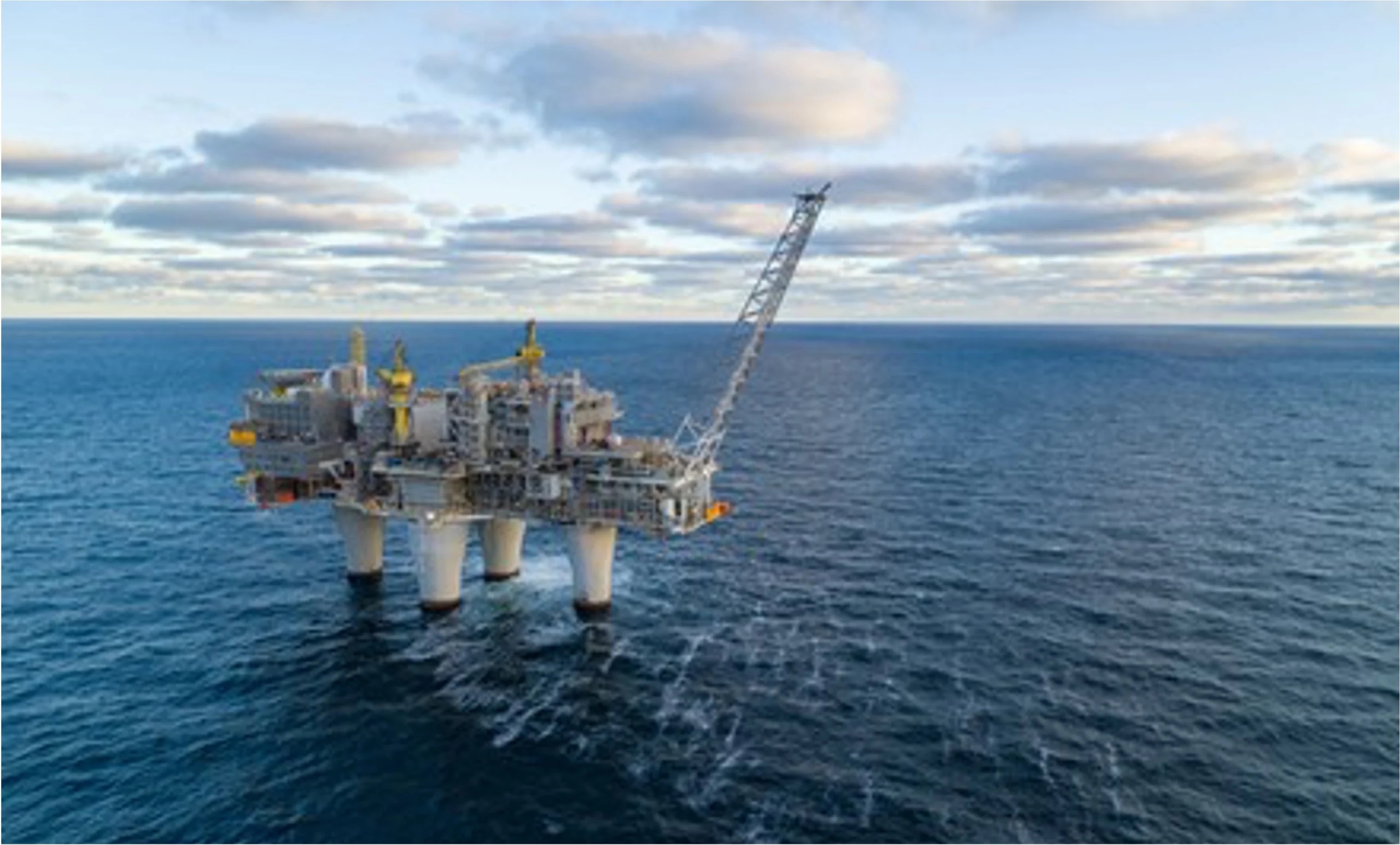
CRAIK delivered a range of engineering designs to support construction and installation activities for the Troll A expansion project, which involved integrating large new topside modules onto one of the world’s most iconic offshore structures. This included developing the temporary works and spatial planning required to handle modules weighing up to 4,500 tonnes each, ensuring safe and efficient transfer from fabrication yard to offshore installation. Key deliverables included the design of lifting points, guide and bumper frames, and both primary and secondary rigging systems. These designs helped coordinate heavy-lift operations, de-risk alignment tolerances, and support the overall construction and integration strategy for the project.
Thames Tideway
Mark Glancy
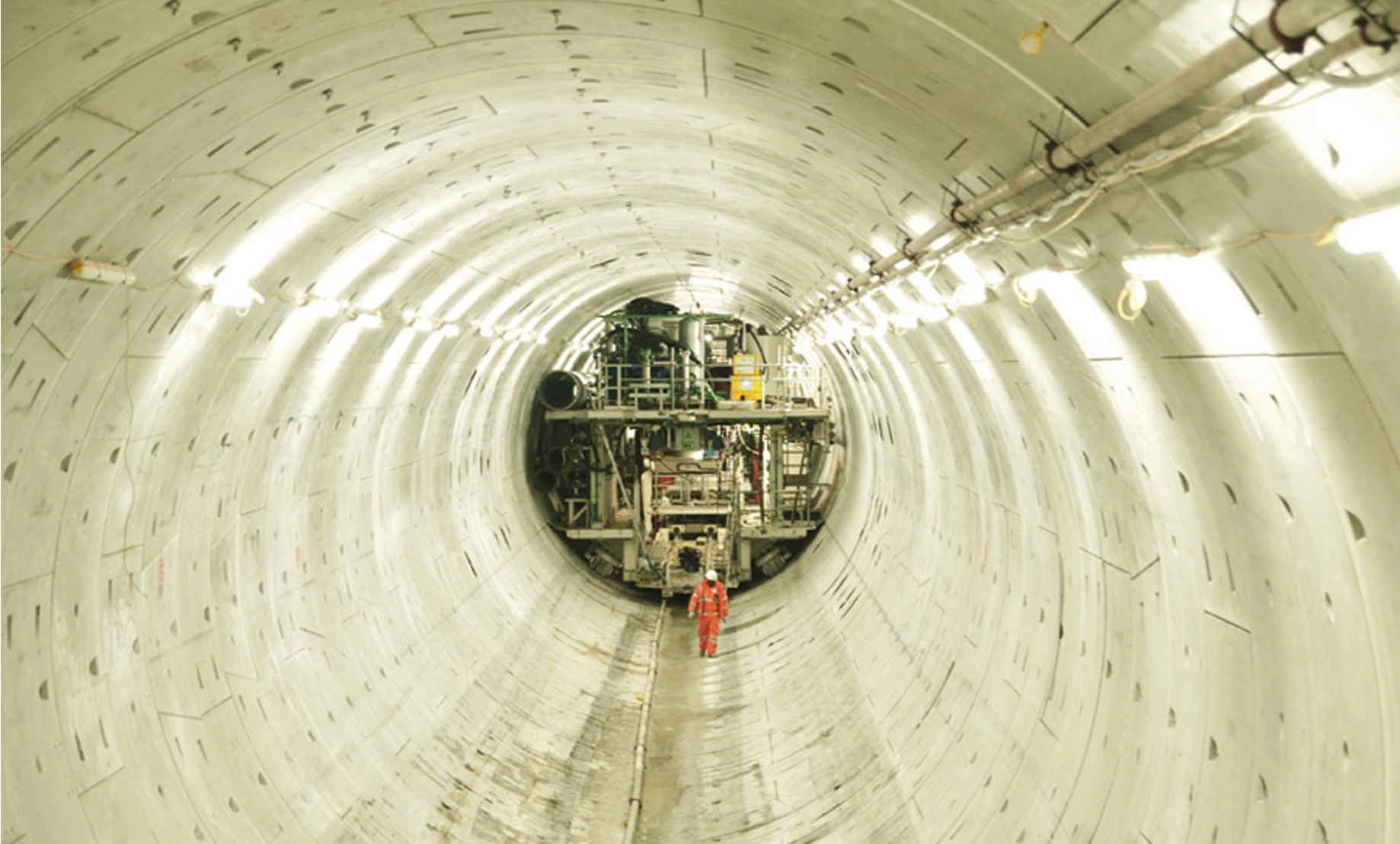
CRAIK delivered various structural designs as part of Thames Tideway, London’s new 25 km “super sewer,” part of a programme valued at around £5 billion to modernise the capital’s Victorian sewerage system and dramatically cut sewage discharges to the Thames. CRAIK focused on the development of subterranean structures with a 120 year design life in a highly corrosive environment, where structures are subjected to long term chemical and abrasion risks. This required close attention to durability design, material selection, detailing, as well as access, inspection and maintenance strategies, to ensure that critical assets remain safe, serviceable and resilient over the full design life of the tunnel network.

SMRs (Small Modular Reactors)
Mark Glancy
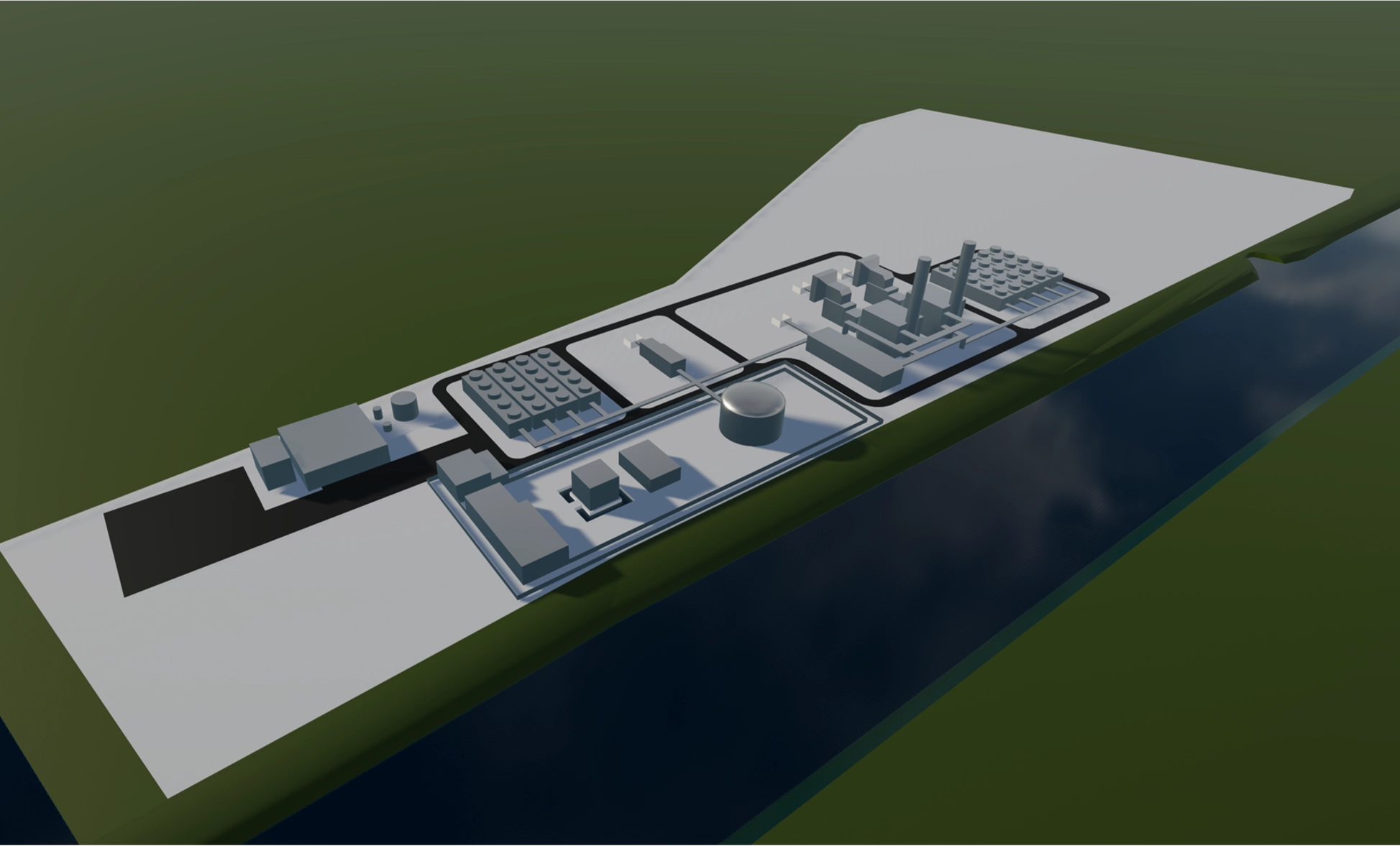
CRAIK supported Blue Energy through concept development and early master planning for their first of a kind SMR (Small Modular Reactor) Plant which uses a natural gas bridge to reduce time to power to as little as 36 months. This approach responds directly to the growing global demand for reliable energy, driven by the rapid expansion of artificial intelligence, advanced manufacturing and high-density data processing. The delivery model for nuclear power must evolve, and CRAIK has helped Blue Energy identify realistic opportunities for modular construction that reduce technical and commercial risks, enabling a project financeable delivery model, built on time and quickly enough to meet demand. This has included engaging with leading industry specialists, challenging outdated confirmation biases and informing decisions that reduce risks and enhance the long-term optimal performance of the plants.
Offshore Oil & Gas
Mark Glancy
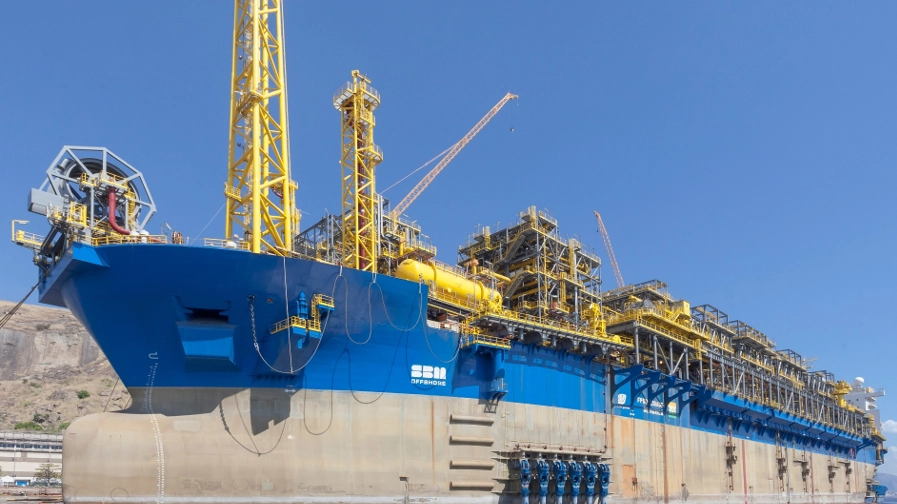
CRAIK supports both greenfield and brownfield offshore structural projects, bringing a strong understanding of how engineering disciplines must work together to deliver safe, efficient and buildable solutions in demanding environments. Experience has been developed across major international projects for operators including Equinor, Shell, BP and Petrobras, with a focus on coordination, constructability and proactive safety throughout design and execution. This includes work across a wide range of offshore asset types:CRAIK brings practical experience of how these assets are fabricated, transported and installed, ensuring that engineering decisions are aligned with real world construction and operational constraints.
- Concrete gravity base platforms
- FPSOs
- Fixed jackets and topsides
- Semi-submersible platforms
- Jack up platforms
- Subsea modules
- Prototype and first of a kind structures
CRAIK brings practical experience of how these assets are fabricated, transported and installed, ensuring that engineering decisions are aligned with real world construction and operational constraints.
Heritage Structures
Mark Glancy
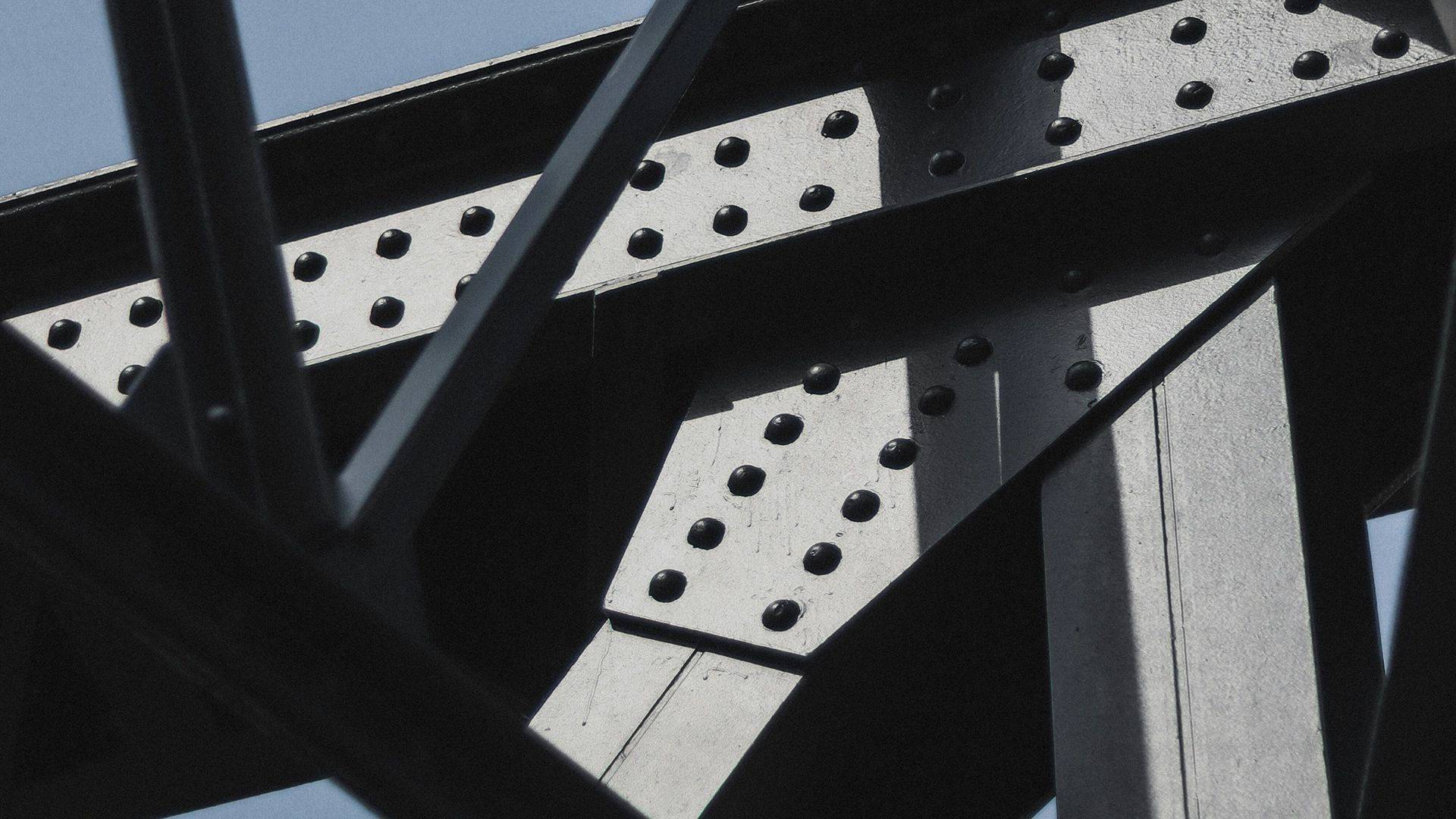
Previous generations of engineers have left behind structures of outstanding beauty and cultural significance, many of which remain central to the communities they serve today. CRAIK has extensive experience in the assessment, refurbishment and strengthening of listed heritage structures, where careful consideration must be given to original materials, construction methods and historic context. These projects often involve materials and systems not commonly used in modern construction, including cast iron, wrought iron and masonry loadbearing structures, particularly in assets dating from the Georgian and Victorian periods. Working within these constraints requires a balanced approach, combining technical analysis with an appreciation of heritage value. CRAIK has experience working alongside statutory and advisory bodies such as Historic Environment Scotland, Historic England and Cadw, as well as local authorities and stakeholders, ensuring that engineering interventions are developed in line with conservation principles while meeting modern safety and performance requirements. The result is practical, sensitive engineering that respects the original structure while enabling its continued use for future generations.
Temporary Works
Mark Glancy
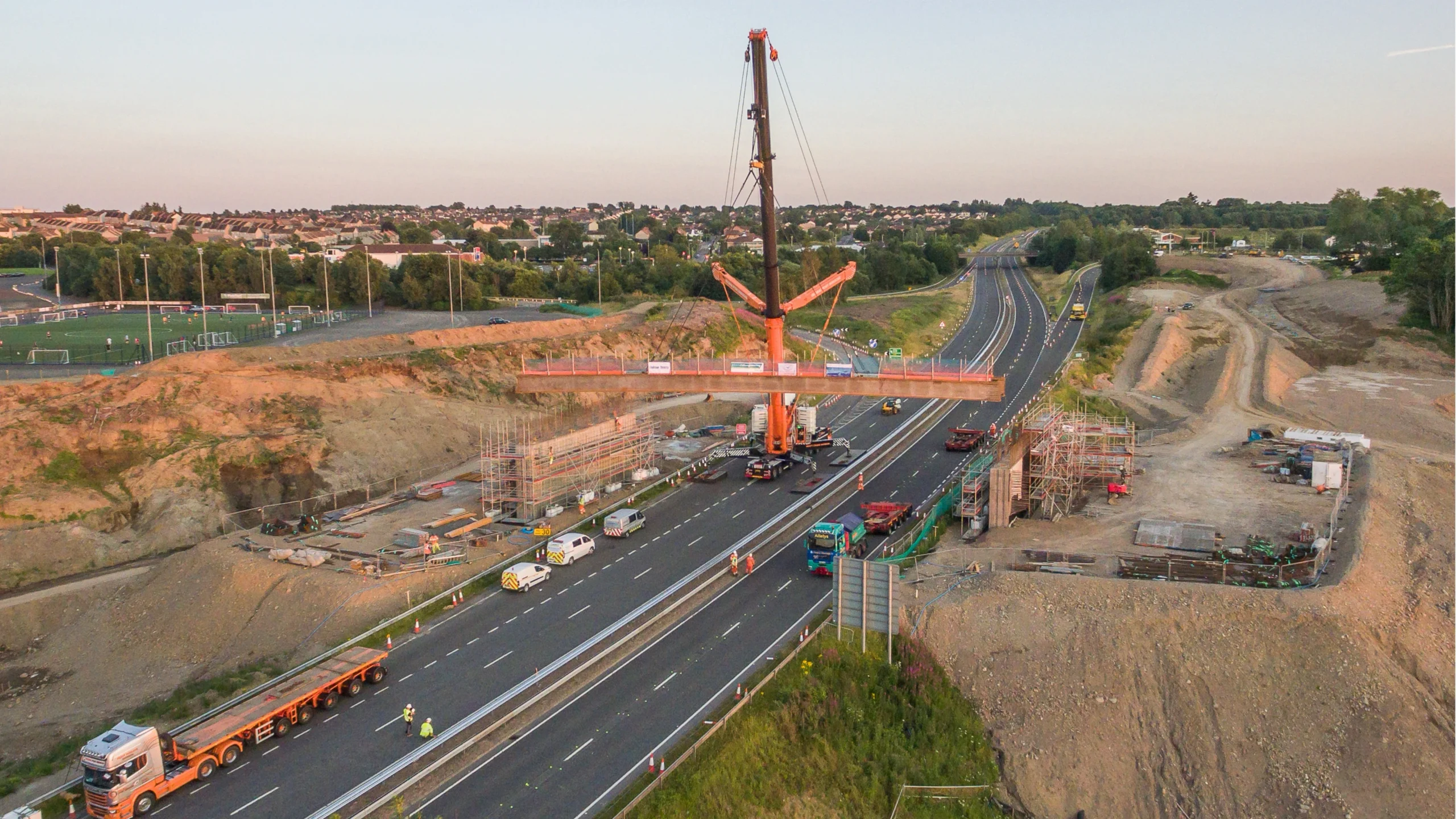
Effective temporary works require engineers who are comfortable breaking problems down to first principles and challenging conventional approaches. These are often the most critical elements of a project, where safety, sequencing and constructability must be fully understood before work begins. CRAIK thrives in this space. We take the time to fully understand the constraints, asking the right questions early to uncover risks and opportunities that may not be immediately visible. The result is clear, practical engineering solutions that support safe construction, reduce risk and enable efficient delivery. Clients can expect a proactive and engaged approach, focused on developing solutions that work in practice, not just on paper.
Rail
Mark Glancy
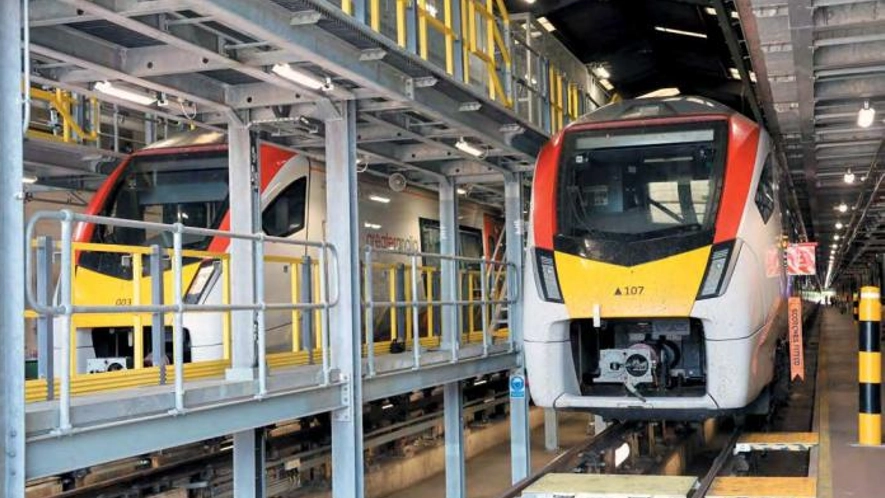
CRAIK has experience supporting rail infrastructure projects, working within the requirements and standards of Network Rail and other stakeholders. Rail environments are highly constrained and safety critical, often requiring works to be delivered within limited possession windows and in close proximity to live operations. This places significant emphasis on planning, temporary works, constructability and coordination between disciplines. CRAIK brings a structured and practical approach to rail engineering, ensuring that solutions are aligned with operational constraints, safety requirements and programme demands, while maintaining clarity between design intent and site delivery.
Water
Mark Glancy
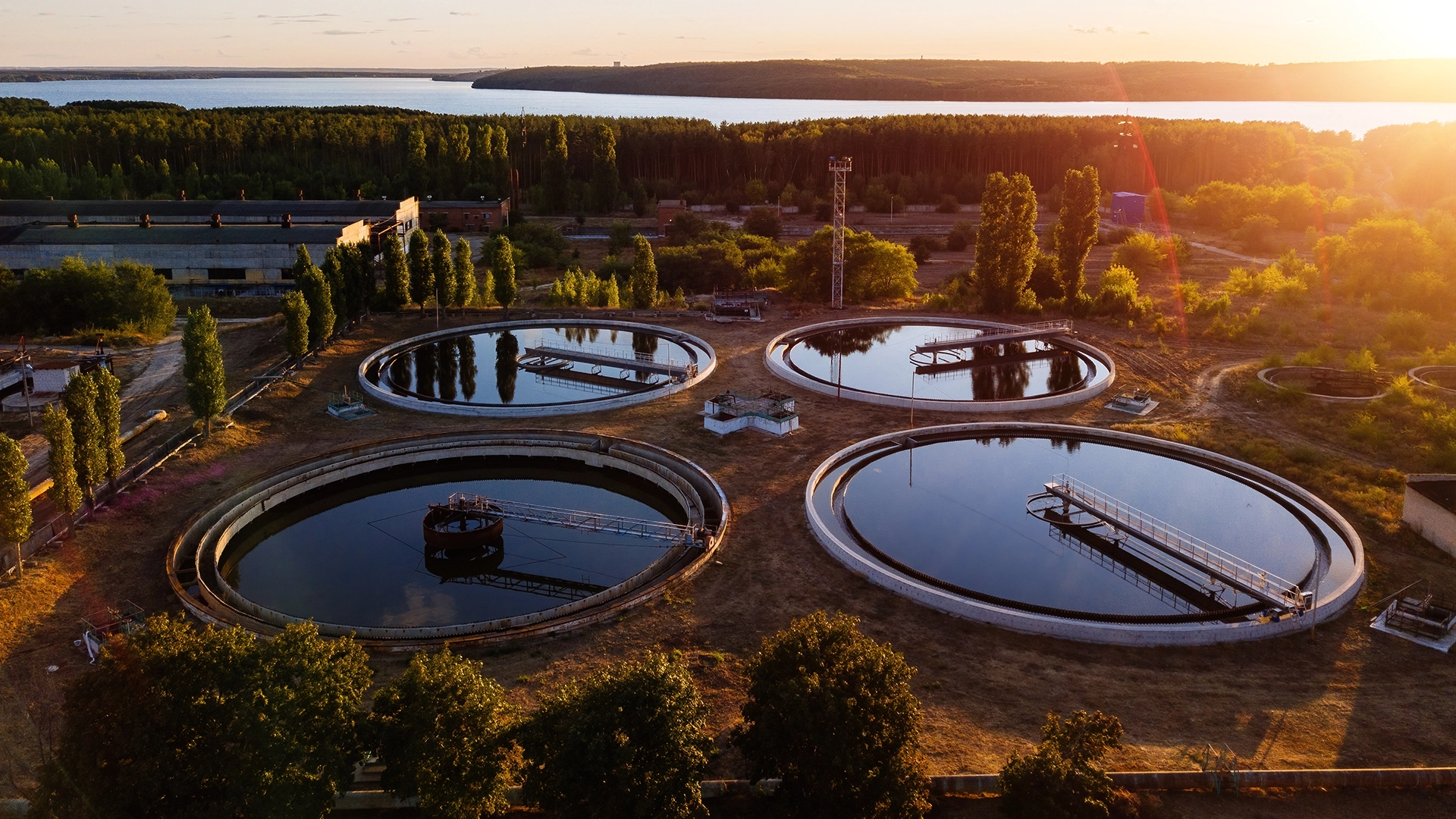
CRAIK has supported projects across the water sector, including work for Thames Water and Scottish Water, as well as involvement in major infrastructure projects such as Thames Tideway . These projects require infrastructure that can operate safely and reliably over long design lives in aggressive and highly regulated environments. Water and wastewater engineering often involves buried and subterranean structures exposed to chemically aggressive conditions, where durability, material performance and long term asset integrity are critical. At the same time, the protection of potable water supplies is paramount, requiring strict control of contamination risks, material selection and construction practices to safeguard public health. Projects are frequently delivered within live operational environments, where maintaining service continuity is essential. This places a strong emphasis on sequencing, access, temporary works and coordination with existing assets. CRAIK brings a practical and disciplined approach to water infrastructure, ensuring that engineering solutions are durable, compliant and aligned with both operational requirements and the long term stewardship of critical assets.